The next time you read 1 Nephi and the story of Nephi obtaining the brass plates, take a look at the story through the lens of the author. Why did Nephi portray himself in the way that he did?
In the opening pages of the Book of Mormon, nothing about Nephi screams hero—yet by the time the story is over, the reader knows he’s made of all the right stuff. Nephi wrote a classic “Bible” hero story that exemplifies how God works through ordinary people.
Because this is what ancient prophets wanted us to know: God doesn’t choose heroes despite their weakness—He chooses them because of it.
The Heroes We Don’t Expect
Think about the ancient hero stories—whether it’s Achilles storming the battlefield nearly invincible, Hercules conquering twelve impossible labors with brute strength, or Thor wielding his mighty hammer against giants. These heroes fight for personal glory, and their rewards are fame, power, or even divinity. They’re in it for themselves.
But flip open the Bible or the Book of Mormon, and you’ll find a completely different kind of hero—and they’re written that way on purpose. These scriptural heroes aren’t fighting for personal glory. They’re responding to God’s call, often reluctantly. The authors of these sacred texts deliberately chose to portray their heroes as underdogs because the message of their stories is different from secular hero stories: this isn’t about human greatness, it’s about God’s power working through willing vessels.
When the angel of the Lord calls Gideon to save Israel, this future military commander doesn’t leap at the chance. Instead, he basically says, “Um, excuse me? Have you seen my family? We’re nobody special. And I’m the least impressive of all the nobodies” (see Judges 6:15).
Sound familiar?
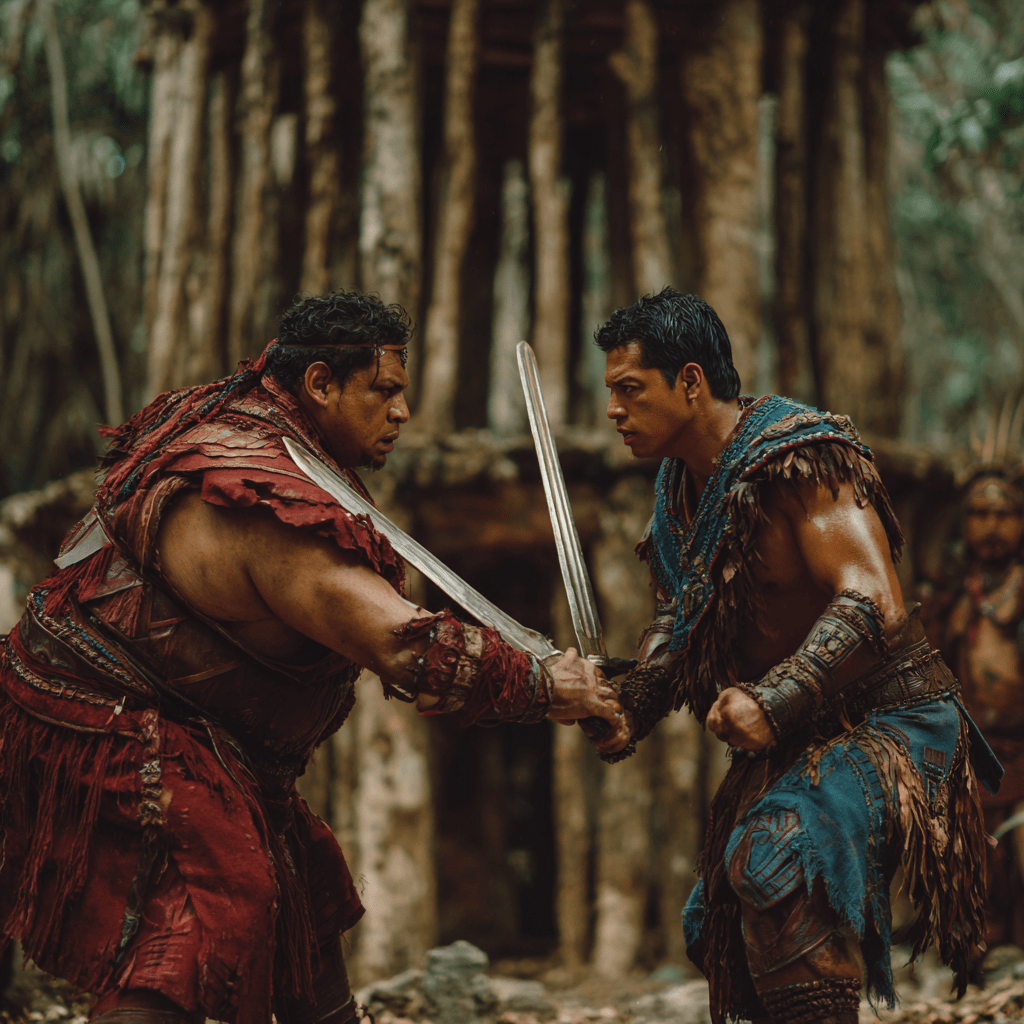
Flip over to the Book of Mormon. When Nephi needs to get those brass plates from Laban, he’s not some seasoned warrior. He tells us straight up: “I, Nephi, being exceedingly young…” (1 Nephi 2:16). And when the Spirit prompts him to kill Laban, Nephi’s response isn’t “Finally! Let’s do this!” It’s “Never at any time have I shed the blood of man. And I shrunk and would that I might not slay him” (1 Nephi 4:10).

Both men basically set themselves up as the wrong choice. Too young (1 Nephi 2:16). Too inexperienced (1 Nephi 4:10). Too afraid (1 Nephi 4:10). Too unimportant (Judges 6:15). Too… human.
And that’s exactly the point.
When Weakness Becomes Strength
These men aren’t accidentally weak—they’re strategically weak. As authors telling their own stories (especially Nephi writing about himself), they made the deliberate choice to emphasize their limitations. Think about that for a second—Nephi could have written himself as the brave hero who fearlessly completed his mission. Instead, he shows us his youth, his inexperience, his standing as the youngest brother, his moral hesitation. That’s incredible humility and brilliant authorship. By stripping away every other possible explanation for their success, these authors leave room for only one reason they succeeded: God. This writing style is a conscious literary decision by both biblical and Book of Mormon authors to decrease the hero in order to increase the Lord. And they did it because this is how real life works!
Have you ever gotten a calling where you felt overwhelmed? One that seemed bigger than you? That’s a hero moment. When you accept that calling and move forward “not knowing beforehand the things which you should do” (1 Nephi 4:6), trusting in God, He makes you bigger, stronger, smarter, more capable. He allows you to “run and not be weary, and walk and not faint” (Isaiah 40:31). President Nelson said, “When you spiritually stretch beyond anything you have ever done before, then His power will flow into you.” (Russell M. Nelson, “Drawing the Power of Jesus Christ into Our Lives”, April 2017 General Conference)
Nephi and Gideon’s stories are examples of that spiritual stretching. When you feel too young (in age or spirit) to accept that calling, too inexperienced to lead that meeting, or too afraid to share your testimony—you’re in good company. You’re exactly where Gideon and Nephi were when God chose them. That overwhelmed feeling? It’s not disqualifying—it’s the starting point for miracles.
If Gideon had been a proven military commander, people might have credited his wins to his tactical genius.
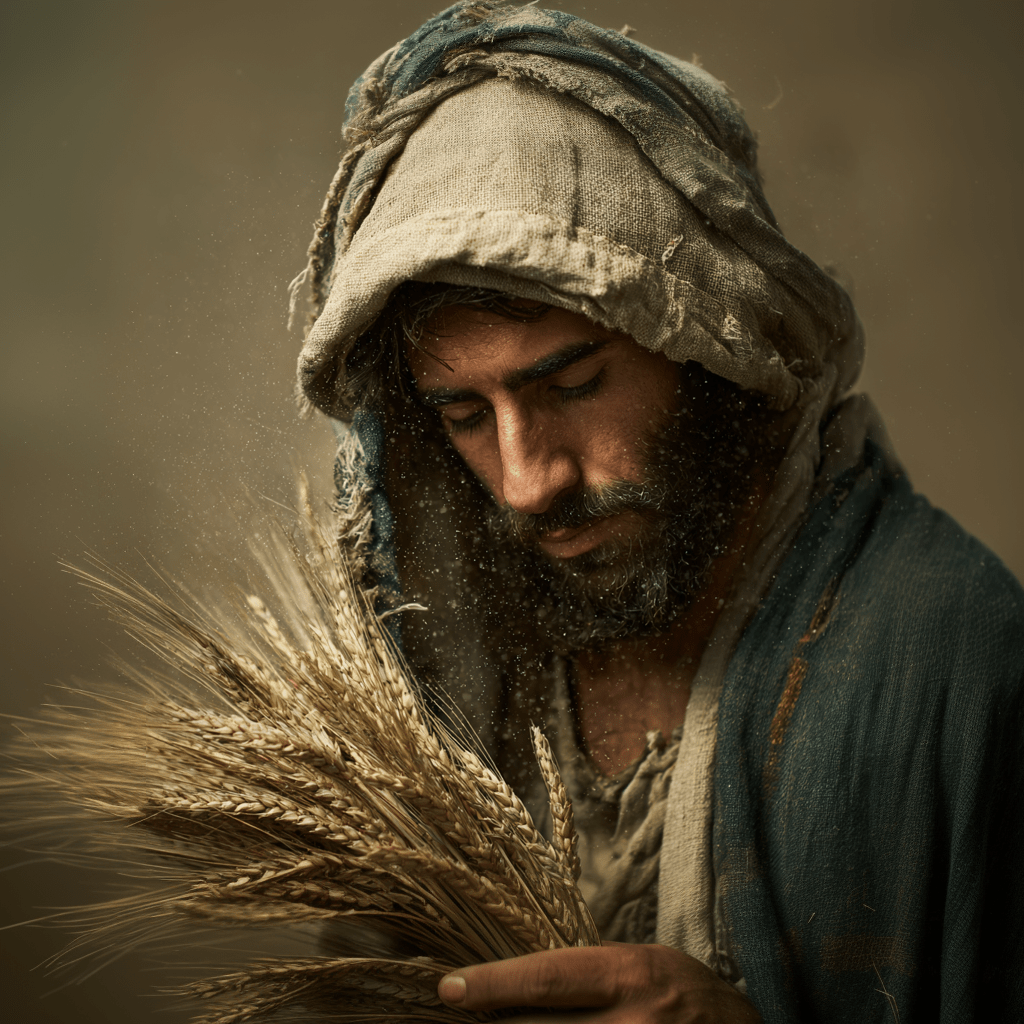
If Nephi had been a trained assassin, nobody would have wondered how he succeeded against Laban. But a scared farmer and a reluctant teenager? That’s got divine intervention written all over it.
God’s recruitment strategy is the opposite of the world’s. The world looks for résumés. God looks for hearts.
The Victories That Make No Sense
Both men win in the most impossible ways.
Gideon defeats the Midianites not with a massive army, but with 300 men chosen by how they drank water from a stream. His weapons? Trumpets and lamps. Not exactly standard military issue. The victory comes through confusion and divine intervention, not battle strategy (Judges 7:5-7).
Nephi succeeds by being “led by the Spirit, not knowing beforehand the things which I should do” (1 Nephi 4:6). He literally puts on Laban’s clothes and walks out with the plates. It’s so simple it’s almost ridiculous.
In your own life, this means: When God asks you to do something that feels impossible, He’s not expecting you to figure out how. He’s expecting you to trust that He already has.
The Crown They Never Wanted
After these impossible victories, both men get offered exactly what every ancient hero wanted: power. This is the moment when the story could become just like every other hero narrative—the triumphant leader accepts his reward and rules over the people he saved. But watch what happens instead.
The people tell Gideon, “Rule thou over us, both thou, and thy son, and thy son’s son also: for thou hast delivered us” (Judges 8:22). Classic hero ending: Victory leads to kingship.
But Gideon says no.
“I will not rule over you, neither shall my son rule over you: the Lord shall rule over you” (Judges 8:23).
Same pattern with Nephi. When his brothers bow down to worship him after everything he’s accomplished, he immediately corrects them: “Do not worship me, but worship the Lord thy God” (1 Nephi 17:55). True spiritual strength isn’t about what you can accomplish—it’s about how quickly you point the glory back to God.
Why This Matters for Your Life Today
Remember Gideon asking for signs—not once, but three times—and God patiently providing each one (Judges 6:17-40). The Lord doesn’t get frustrated with our need for confirmation. He meets us where we are.
When you’re facing a challenge that feels too big, remember young Nephi being led step by step through Jerusalem’s dark streets, not knowing beforehand what he should do. God doesn’t always give us the whole plan—just the next step. And that’s enough.
When you succeed at something difficult, remember both men immediately deflecting the credit. For God’s servants, success becomes a bridge to greater humility, not a platform for pride. Because conventional heroes glorify human strength. But Gideon and Nephi glorify God.
That’s the anti-hero pattern of scripture: Weakness acknowledged becomes strength available. Fear confessed becomes faith activated. Glory deflected becomes grace received. Each step in the pattern brings us closer to understanding how God really works in our lives—not through our perfection, but through our willingness to be imperfect instruments in His hands.
The Real Superpower
In the end, the greatest heroes of scripture don’t ask for glory. They ask for help. And in doing so, they show us that faith in the Lord isn’t just a superpower—it’s the only power that can transform us into heroes.
So the next time you feel like the wrong choice for whatever God is asking of you, remember: You’re not too weak for the calling. You’re exactly weak enough.
And that’s when God does His best work.
The next time you read about Gideon’s fleece or Nephi’s sword, you’ll see it differently. Not as stories about brave heroes, but as testimonies that God specializes in using ordinary people to do extraordinary things. Including you.
(As an author, I like to try to connect to the authors of biblical and Book of Mormon stories. It helps me see them in a different light because I start to ask questions like “As an author, why would Nephi say that?” or “As an author, why would Mormon include that tiny detail?”
I’ve recently been reading a book called “Words of Delight: A Literary Introduction to the Bible” by Leland Ryken. What’s incredible is that as I’m reading Ryken’s insights into the Old Testament, the application to Book of Mormon stories opens up like flowers blooming in fast-forward. Ryken’s exploration of Gideon’s story is a huge influence on this post. See “Words of Delight, 114-16.)





 Feasting with Nephi
Have you ever thought about this scripture this way? Share your thoughts!