
You’ve read 1 Nephi. Probably more than once. Maybe dozens of times.
You know the story. Lehi’s dream. The brass plates. The broken bow. The ship. You could probably outline the whole thing from memory.
But before you dash off the stories as something mundane, consider this thought:
Of all the stories, teachings, and experiences Nephi could have pulled from his entire life and the large plates, he was inspired to include these specific ones on the small plates.
Nephi tells us why he chose those things. He says the Bible—the Stick of Judah—is missing things. Not small things. Keys. “Many parts which are plain and most precious; and also many covenants of the Lord have they taken away.”
Covenants. Taken away. Covenants!
So what does Nephi do? He writes a record that restores them. Not by listing them out like a manual that would be so very helpful for us, latter-day readers. He embeds them—woven into the narrative itself, hidden in plain sight for those with eyes to see. This form of writing is a way to keep sacred things sacred.
The Sacredness of what’s Hidden
Nephi’s approach to recording sacred knowledge reflects ancient Israelite understanding of the temple. Temple knowledge was protected. Not because God wanted to keep people out, but because sacred things require preparation to receive.
Consider what Nephi’s brother Jacob taught: “Great and marvelous are the works of the Lord. How unsearchable are the depths of the mysteries of him; and it is impossible that man should find out all his ways. And no man knoweth of his ways save it be revealed unto him.”
Within the ancient temple, the divisions of space did double duty. They protected sacred areas from being defiled and they protected people from the dangers of entering holy ground unprepared.
Nephi did the same thing with his text.
By embedding temple patterns within his story instead of openly describing them, Nephi created a protective boundary in his writing. He preserved sacred knowledge for those spiritually ready while shielding those not yet prepared for the responsibility that comes with greater understanding.
Like the temple veil itself—which both hid and revealed depending on your preparation. Nephi’s record shows its deepest meanings to those ready to recognize and honor them.
Why This Changes How You Read 1 Nephi
Nephi was writing for a covenant people. People steeped in religious tradition who would readily recognize the patterns. And he was also writing for you—a latter-day reader who makes those same covenants in the temple today.
If Nephi could visit a modern temple, he would likely recognize the five covenants—obedience, sacrifice, gospel living, chastity, and consecration—that he himself wove throughout his writings.
That’s the bridge. Thousands of years. Same covenants. Same God. “The same yesterday, today, and forever.”
And here’s what I love most: this approach rewards the reader who comes back again and again. Each time you read Nephi’s record, with more spiritual preparation, more layers reveal themselves. Just like the temple experience itself.
Through his writings, Nephi built a bridge across thousands of years—one that allows today’s readers to share in the same sacred covenantal knowledge he and Lehi carried with them out of Jerusalem.
A Personal Update (and a Big Announcement)
Friends, it’s been a minute. I owe you an explanation—and some exciting news.
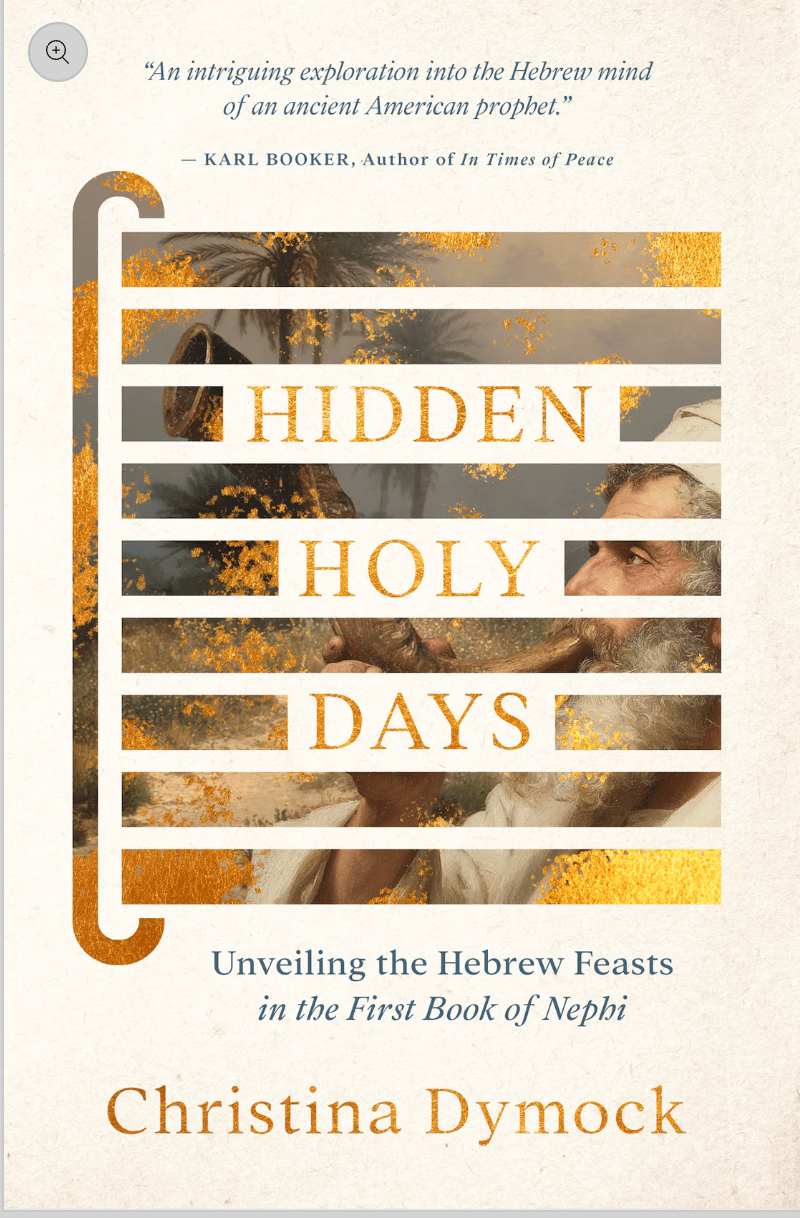
The reason I’ve been quiet is because I’ve been buried in my book Hidden Holy Days is coming out in March.
[Sign up here to be notified the moment the book goes live.]
This book represents years of study, prayer, and discovery about the sacred feast patterns Nephi embedded throughout 1 Nephi. Everything I’ve been teaching and sharing here—this book goes deeper. It’s the full picture.
And I’m thrilled to tell you: I recorded the audiobook myself.

For those of you who prefer to listen while you drive, study, or work, this one’s for you.
We’re also planning a book launch event. More details are coming soon—I can’t wait to share that experience with you.
I want to take a moment to thank the people who made this possible. Plain and Precious Publishing, Dave Butler, and the Paul Brothers at The Stick of Joseph podcast—your support, guidance, and belief in this project have been a gift.
And to you—Thank you for your patience while I went heads-down on this. I love you guys. I’m grateful for every one of you.
I’m so pleased with the way this book turned out. Writing it deepened my testimony of the Book of Mormon in ways I didn’t expect. And sharing that testimony with you, is an honor!





Have you ever thought about this scripture this way? Share your thoughts!