Nephi Starts with Creation.
Every prophet’s first words matter. Moses begins with, “In the beginning, God created the heaven and the earth” (Genesis 1:1).
John begins his Gospel with the same echo: “In the beginning was the Word…” (John 1:1).
These openings set the tone for everything that follows.
Nephi begins his record a little differently: “I, Nephi, having been born of goodly parents…” (1 Nephi 1:1).
It’s familiar. Personal. But it’s also telling. Nephi is doing the same thing that Moses and John do–he’s telling a creation story. Only his creation story starts with Lehi and Sariah. They’re the parents of an entire civilization–and their story starts in the beginning.

What Creation Meant to Ancient Israel
In the ancient world, creation wasn’t just about the formation of the earth—it was about the formation of a people. Genesis is not just the story of how the world was made; it is the story of how God took chaos and gave it meaning. He brought light out of darkness, order out of disorder, and covenant out of separation. Everything culminated on the sixth day with the creation of man and woman—God’s covenant partners (Genesis 1:27–28).
Israel understood creation as an ongoing process: God continued to shape His people, to form them into a covenant family through festivals, temple worship, and sacred stories. Creation was about identity.
And that’s exactly what Nephi is doing.
Creation Themes in the First Chapters of 1 Nephi
From the opening scenes, Nephi mirrors Genesis-style creation themes. Consider these early patterns:
- Light vs. Darkness: Lehi sees a pillar of fire and is “carried away in a vision, even that he saw the heavens open…” (1 Nephi 1:6). This divine light shatters the spiritual darkness of Jerusalem. Light, the first element created in Genesis (Genesis 1:3), begins Nephi’s narrative as well.
- Separation and Ordering: Just as God separates light from dark, land from water, and chaos from order, Nephi narrates the family’s separation from Jerusalem. This act of leaving is more than escape—it is a sacred separation, a setting apart of a remnant people.
- Covenant Language: Lehi’s call to prophesy, his reading from the book in his vision, and Nephi’s desire to know the mysteries of God all echo covenant-making moments. “Behold, I went into the mount oft, and I prayed unto the Lord; wherefore the Lord hath made me that I could know of the things which the Lord had shown unto my father” (1 Nephi 2:16). Mountains, divine books, and personal revelation are deeply associated with covenant and creation.
Nephi is crafting a new Genesis for a new covenant family. Just as God formed Adam and Eve to begin the human family, Nephi presents Lehi and Sariah as a second beginning—a family called out of the world to become something holy.
The pattern is clear:
- Creation of a family line (1 Nephi 1–2)
- Covenant established through visions and obedience
- Exile from Jerusalem
- Promise of a new land, a new people, a new covenant future
This structure mirrors not only Genesis but Israel’s repeated journey through exile and return, fall and redemption. Nephi is inviting readers to see his family as the seedbed of a sacred future—one that God is actively shaping.

Why It Changes the Way We Read
If Nephi is writing with a creation lens, then 1 Nephi isn’t just about leaving home or building boats. It’s about entering sacred time. It’s a liturgical text, designed to echo the creation of the world and the formation of Israel.
What if every time you opened 1 Nephi, you weren’t just reading scripture… you were stepping into a temple drama?
What if Nephi didn’t just want to tell you what happened, but wanted to shape how you see yourself as part of a covenant story being written now?
Patterns matter. And Nephi knew exactly what he was doing.
Want to See More of the Pattern?
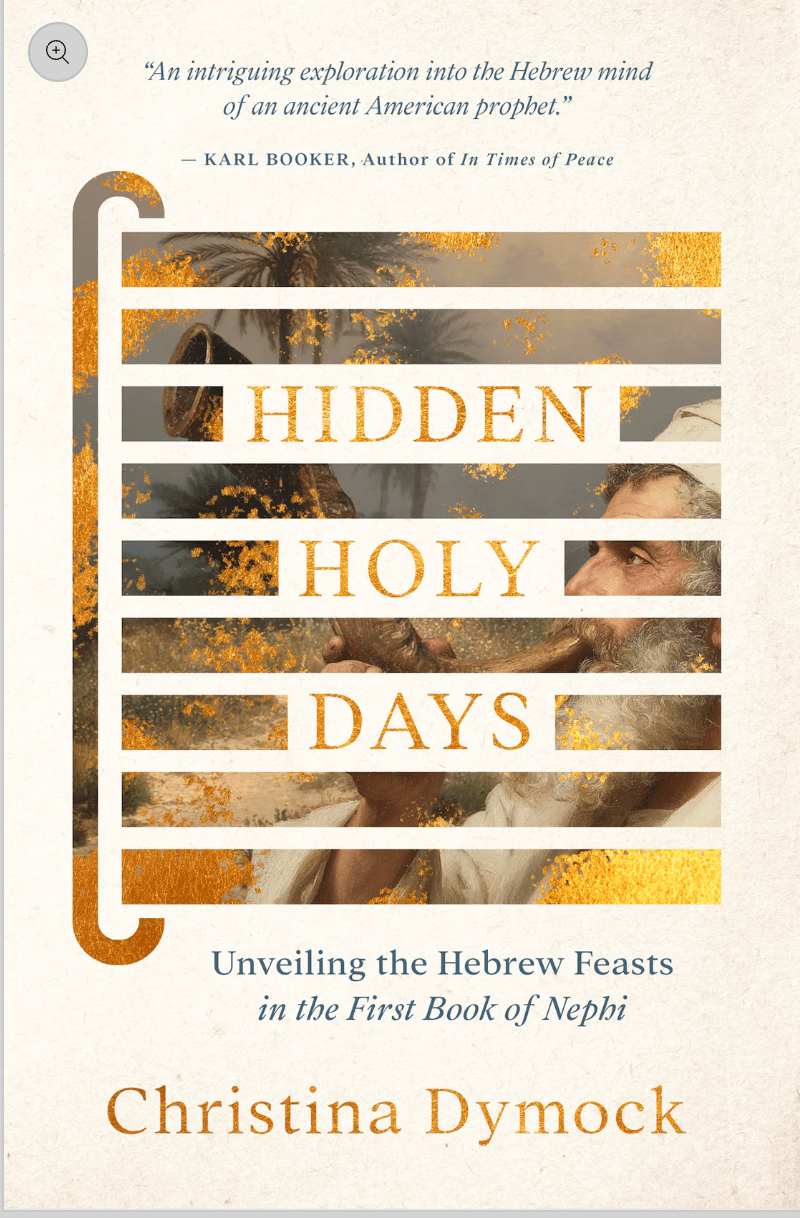
Feasting with Nephi goes deeper into how the Book of Mormon mirrors sacred time, holy space, and covenant rhythm. In Chapter 2, we explore how the structure continues through the creation of man. The book will be out soon! Follow along to be notified when it’s released.
Scripture isn’t flat. It’s layered with memory, covenant, and calendars and covenants. Nephi knew that. And now, so do we.






 Feasting with Nephi
Have you ever thought about this scripture this way? Share your thoughts!