We’ve read 1 Nephi for 200 years—and missed the most important part.
For over two hundred years, readers of the Book of Mormon have returned to Nephi’s record for strength, inspiration, and insight. But what if there’s a layer we’ve missed? An outline that governed the structure of his writing—not according to our modern ways of writing, but the sacred one laid out in ancient Israel. If we’ve overlooked that, what else might be hiding in these familiar pages?
It turns out, there’s more happening in 1 Nephi than we’ve ever uncovered before. And the deeper you go, the more you begin to see a pattern rooted in something ancient, covenantal, and holy.
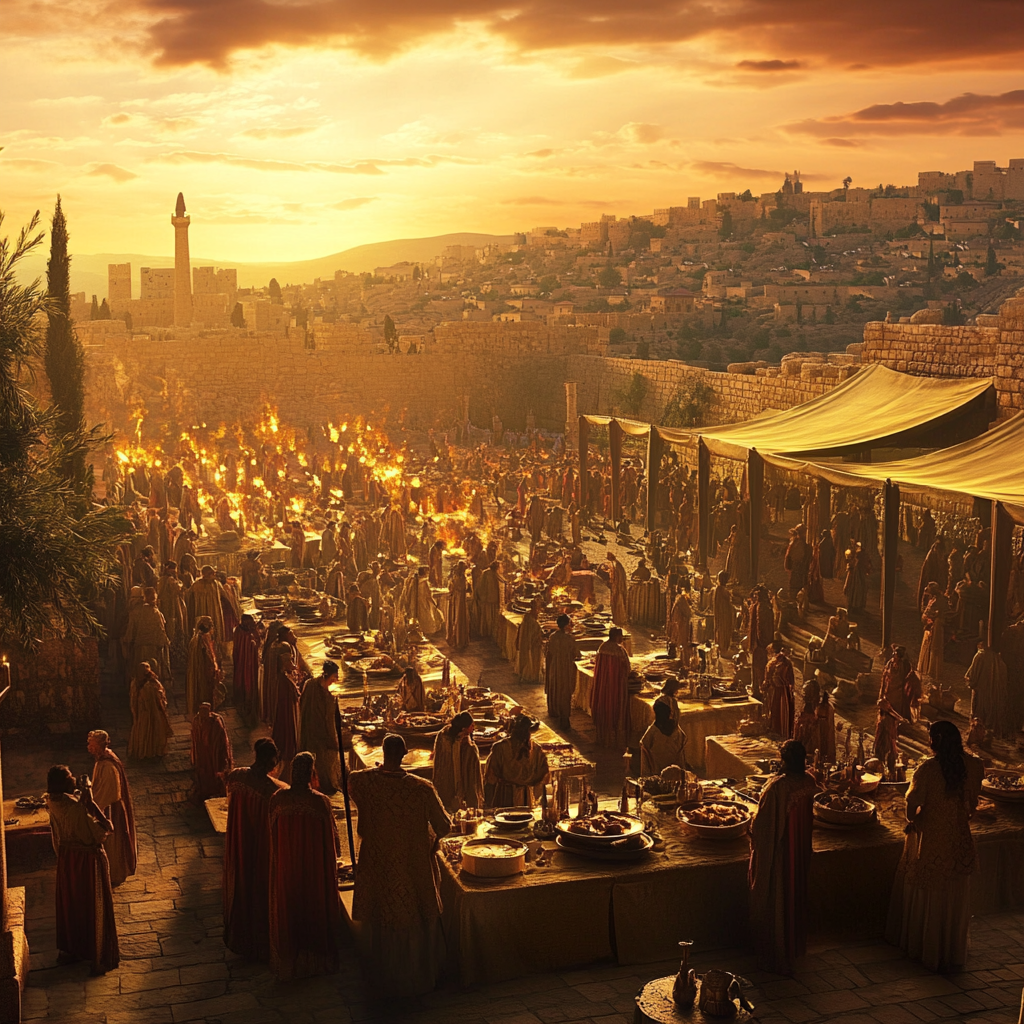
In Leviticus 23, the Lord outlines what He calls His “feasts” or appointed times (Hebrew: mo’edim):
“Speak unto the children of Israel, and say unto them, Concerning the feasts of the Lord, which ye shall proclaim to be holy convocations, even these are my feasts” (Leviticus 23:2).
These feasts were times when the people would stop, remember, and reenter their sacred relationship with the God of Israel. Each festival came with offerings, prayers, and rituals pointing toward deliverance, provision, harvest, and holiness.
This rhythm formed the backbone of Israelite worship. From Passover to the Day of Atonement to the Feast of Tabernacles, these sacred times shaped both daily life and national identity.
Now imagine growing up in that world.
Nephi was born and raised in Jerusalem around 600 BC. His world was temple-centered, festival-driven, and covenant-focused. Scripture study wasn’t casual; it was formal and liturgical.
We learn early on that Nephi was educated. He writes:
“Yea, I make a record in the language of my father, which consists of the learning of the Jews and the language of the Egyptians” (1 Nephi 1:2).
The “learning of the Jews” would have included the sacred calendar, temple practices, and the role of scripture in preserving covenant identity. And he didn’t just write a travel log. He tells us plainly:
“I have written what I have written, and I esteem it as sacred” (1 Nephi 19:6).
This wasn’t a family journal. It was a temple document.
There is so much more to the Book of Mormon than we ever realized. And we are just getting started.
A Hidden Pattern: The Festivals in 1 Nephi
When I first noticed how the stories in 1 Nephi align with ancient festival themes, I was stunned.
Passover. The Day of Atonement. Tabernacles. They were all there—in order.
Each festival in the sacred calendar comes with its own symbols, scriptures, and spiritual focus. And Nephi’s chapters move through them one by one, almost as if he’s reliving the sacred year in exile. The journey of his family out of Jerusalem, through the wilderness, and across the sea follows the rhythm of Israel’s most holy times.
That’s not coincidence.
And once you see it, you can’t unsee it. Nephi didn’t just tell us what happened, he organized his record the way a temple scribe would.
Here’s just a taste of the connection:
- Lehi’s throne room vision aligns with the Feast of Trumpets
- The Day of Atonement echoes through Nephi’s return for the brass plates.
- And by the time we get to the ship and the storm, we’re in the midst of the Feast of Unleavened Bread, the feast of journeying and divine protection.
“For the fulness of mine intent is that I may persuade men to come unto the God of Abraham, and the God of Isaac, and the God of Jacob, and be saved” (1 Nephi 6:4)
Temple covenants save souls.
Want to Go Deeper?
I created a free study tool called The Revelation Habit to help readers walk through the Book of Mormon with this kind of purpose in mind. You can grab it here and start your own journey into the sacred rhythms of Nephi’s world.
And if this post stirred your curiosity, keep your eyes open. Feasting with Nephi is coming soon—and it’s full of the insights I wish I’d had years ago.
Let’s feast together.






 Feasting with Nephi
Have you ever thought about this scripture this way? Share your thoughts!