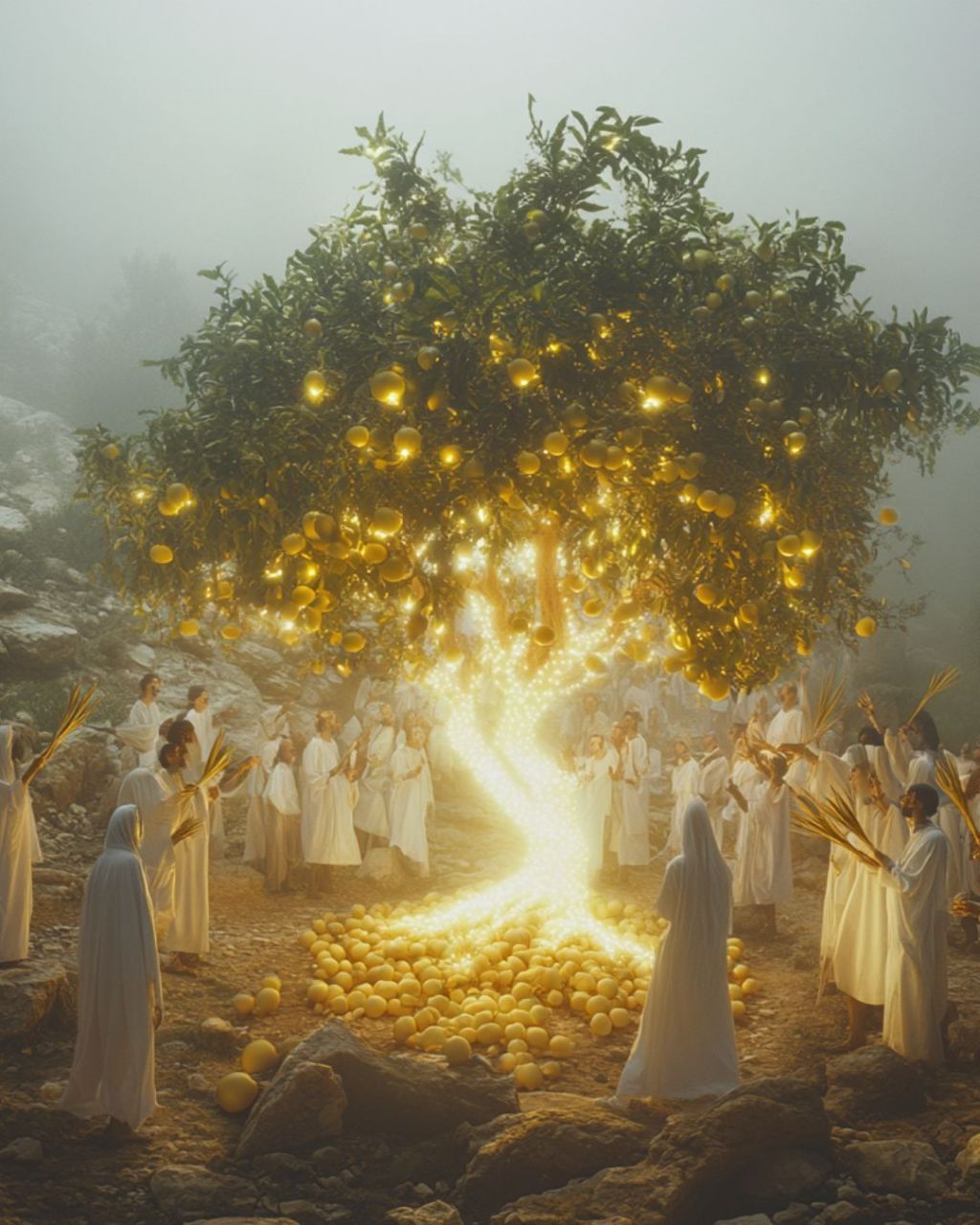
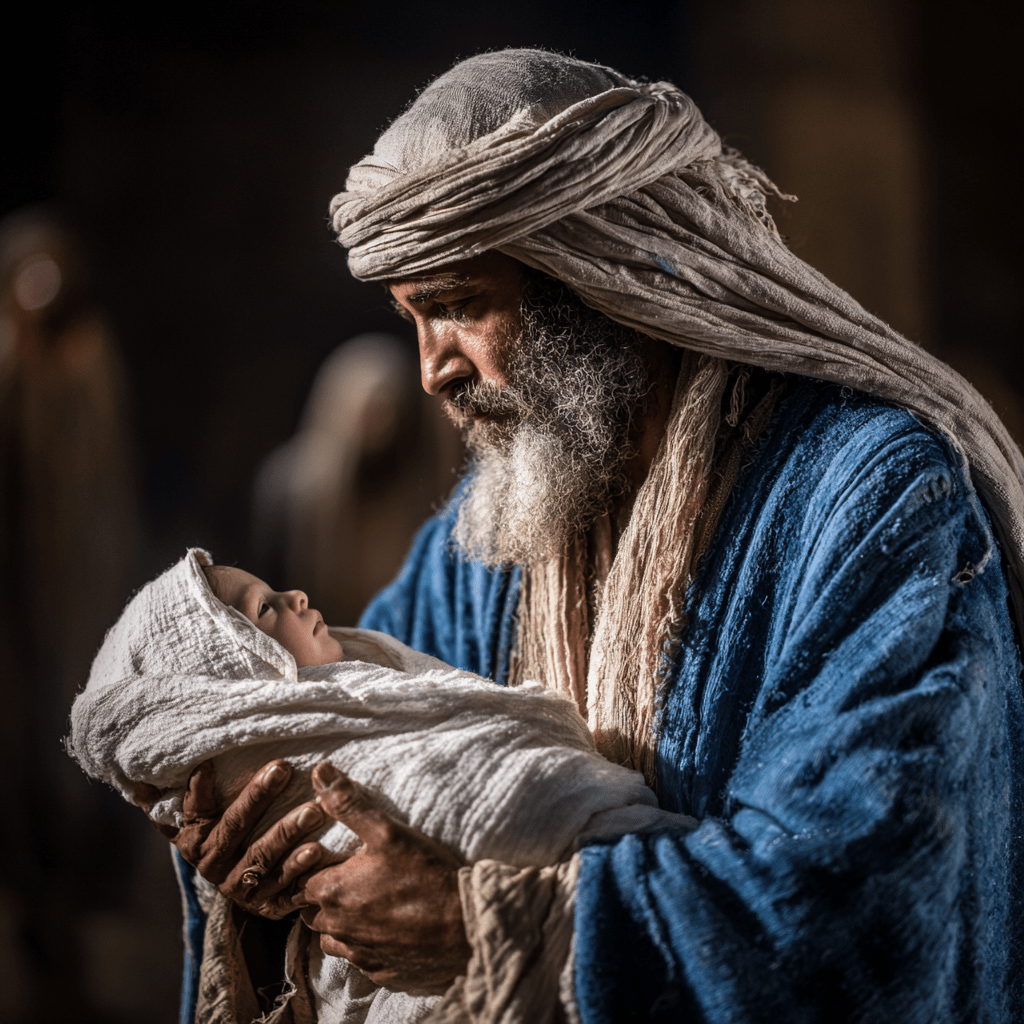
Nephi was a Jew.
That simple sentence carries a world of meaning we often skip right over. He lived in Jerusalem around 600 BCE, practiced the Law of Moses, worshipped in the temple Solomon built, and observed the holy festivals God commanded in the Torah. His daily life—his worldview—was shaped by covenant rituals, sacred calendars, and centuries of spiritual tradition.

So when Nephi began writing the record that would one day become the Book of Mormon, he wasn’t writing from a modern Western perspective. He was writing as a deeply devout, Torah-literate, temple-oriented Jew.
And yet, here we are, thousands of years later, trying to understand him through a 21st-century lens. It’s no wonder we miss things.
The Cultural Gap Is Real
Modern readers of the Book of Mormon (myself included) often come to the text with the best of intentions—but without the tools that would allow us to see what Nephi’s original audience would have immediately recognized.
We expect modern storytelling conventions. We want clear timelines and explanatory footnotes. We read everything as if it were written just for us–which we’re told the Book of Mormon was written for us–so why is it we don’t see what Nephi saw?
Ancient writers didn’t write the way we do today. They relied on shared memory, ritual literacy, and pattern recognition. They wove sacred symbols, festival rhythms, and covenant language into their narratives with the expectation that their audience would catch them. These weren’t “Easter eggs” as we call them today. They were the spiritual language of ancient Israel.
Enter the Jewish Festivals
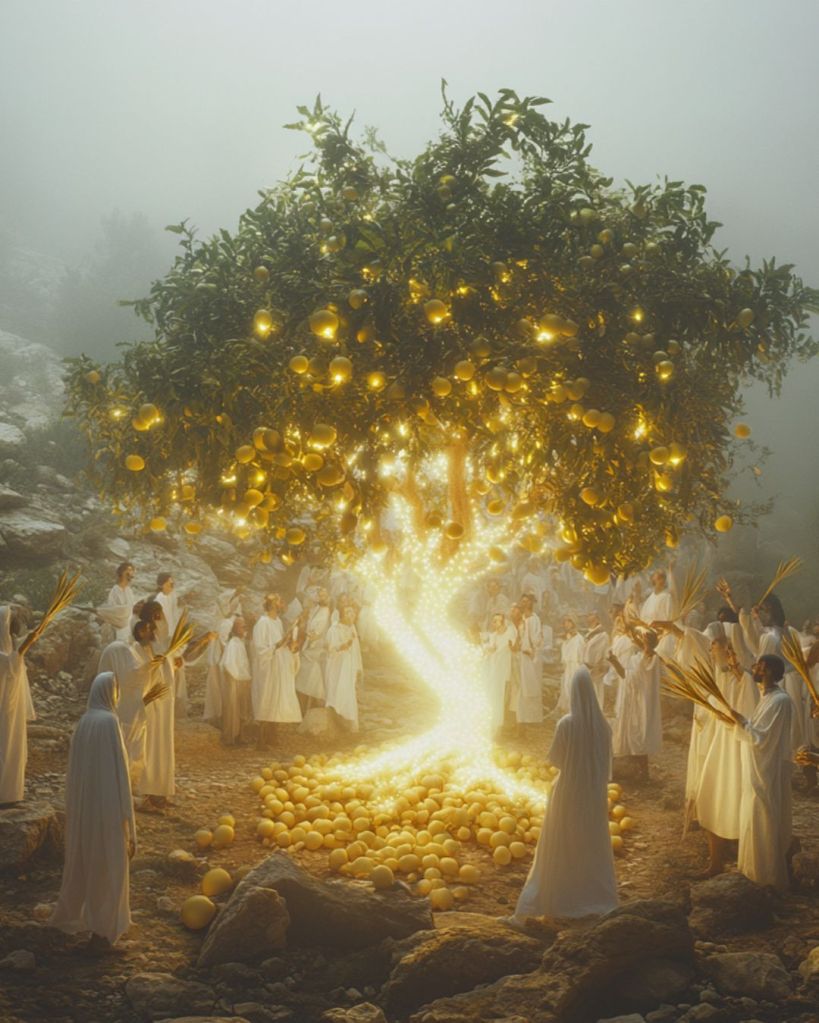
One of the clearest and most beautiful examples of this sacred cultural language is fOne of the clearest and most beautiful examples of this sacred cultural language is found in the Jewish festival calendar. These weren’t side celebrations—they were core to Israelite identity. God didn’t just suggest them; He commanded them. The biblical feasts marked time, framed memory, taught theology, and reinforced covenant.
Nephi, like all faithful Jews of his time, would have celebrated:
- Rosh Hashanah and Yom Kippur
- Sukkot (Feast of Tabernacles)
- Passover
- Shavuot (Feast of Weeks)
Each festival was layered with scriptural readings, sacred rituals, and spiritual meaning. They weren’t just holidays—they were a framework for worship and covenant life. So when Nephi structured his record, it’s entirely plausible—perhaps even expected—that he would embed these patterns of ancient Jewish worship into the Book of Mormon narrative.
But most of us never see it.
Why?
Because we didn’t grow up with them.
One Tiny Example (A Teaser!)
Let me give you just a taste.
Right in the opening verses of 1 Nephi, we find Lehi receiving a vision. He sees “God sitting upon His throne,” surrounded by heavenly hosts. Books are opened. Judgments are pronounced. The scene is grand, royal, and holy.
To us, it reads like a standard prophetic vision. After all, John had the same vision, right?
But to a Torah-anchored Israelite? That entire scene echoes the imagery of Rosh Hashanah—the Day of Remembrance—when God is enthroned, books of life are opened, and divine judgment begins.
It’s a sacred pattern that ancient readers would have instantly recognized. But modern readers? We breeze past it.
If we want to truly understand the Book of Mormon as ancient scripture, we need to learn to think like Nephi. We need to step into his world—his culture, his covenants, and his spiritual calendar.
When we do, something incredible happens:
- The Book of Mormon opens up.
- New symbolic layers emerge.
- Old questions begin to make sense.
- And Nephi’s voice becomes clearer than ever.
There’s more to this record than we’ve seen before.
And the key isn’t just reading harder—it’s reading smarter.
So, buckle up.
There’s a feast ahead.


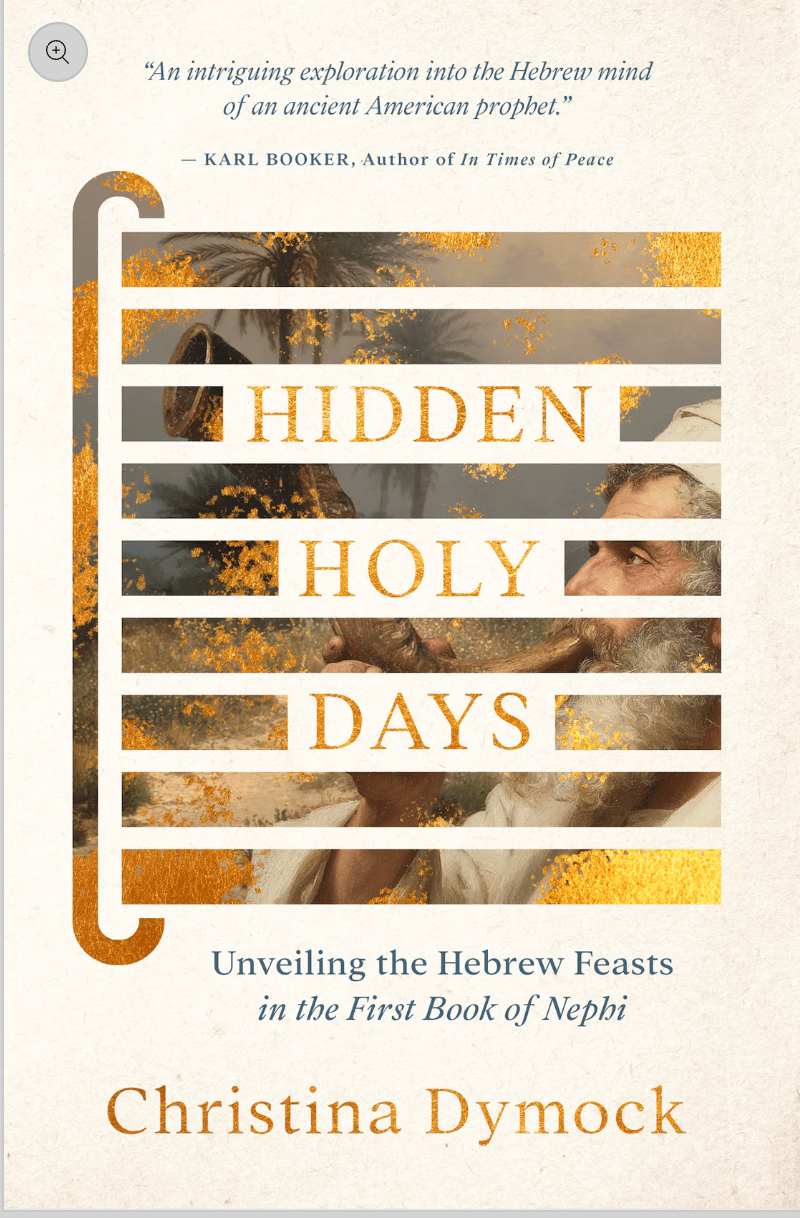


 Feasting with Nephi
Leave a reply to Cheryl Boberg Cagle Cancel reply