The Day of Atonement required two goats.
They had to be as alike as possible—probably born from the same mother, raised together, matched in size and appearance. The high priest would cast lots over them, and their destinies would diverge: one would die at the altar, blood shed before the veil. The other would be driven into the wilderness, bearing away the sins of Israel on its head.
Luke shows us John and Jesus as these two goats.
And once you see the pattern, it’s impossible to miss.
Chosen by Lot in the Temple
Luke opened his gospel in the temple and tells us that Zacharias, John’s father, was chosen by lot to enter the Holy Place and burn incense (Luke 1:9).
Luke is going to use a lot of Day of Atonement imagery in this section of his Nativity. We’ll cover some of it today. I highly suggest you get into your scriptures and read Luke’s nativity, looking for the Day of Atonement imagery.
On Yom Kippur, the high priest would cast lots over two goats to determine which would be “for the Lord” and which would be “the scapegoat” sent into the wilderness (Leviticus 16:8-10).
Zacharias was chosen by lot to serve as the priest for that day. This is symbolic of his son, John, being chosen as part of the matched pair. John is the scapegoat in this story.
Two Miraculous Sons
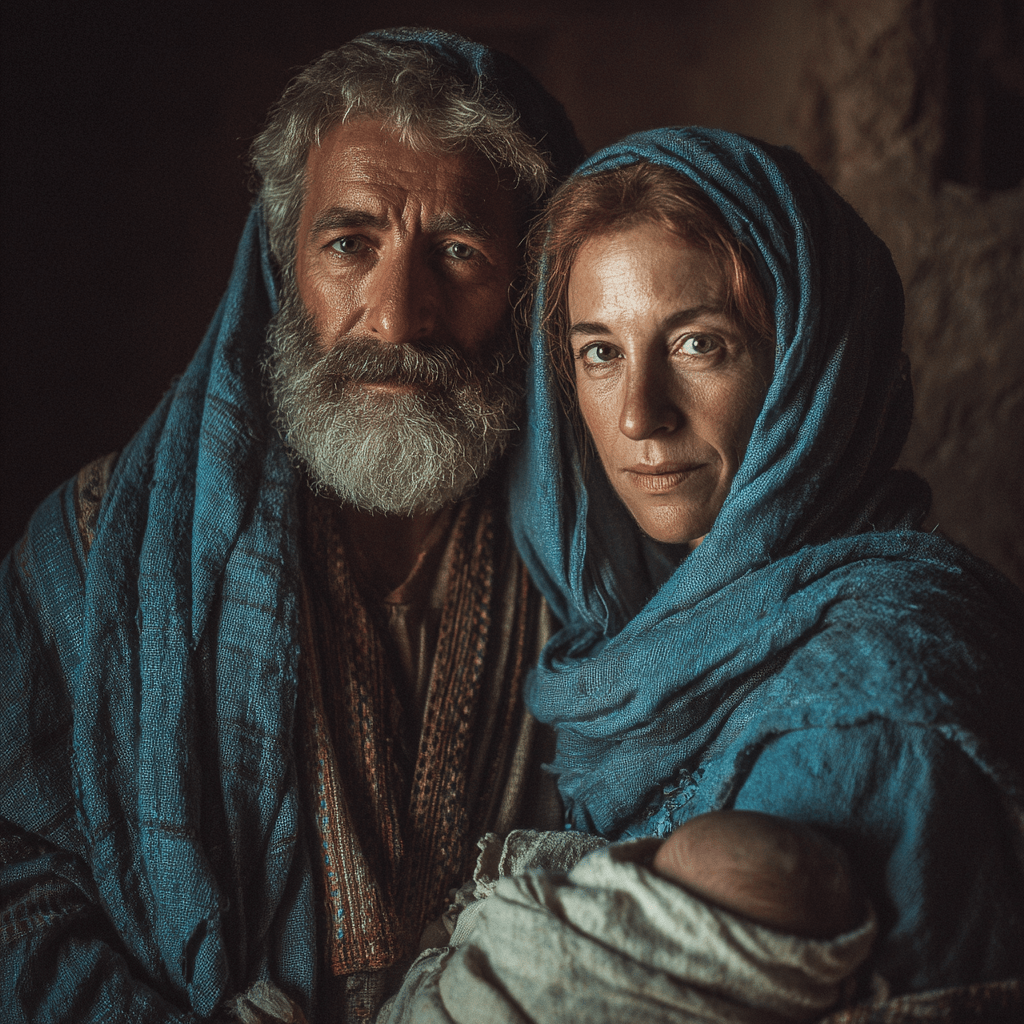
John and Jesus arrived as matched offerings:
Both were announced by the angel Gabriel (Luke 1:19, 1:26).
Both were born to mothers who shouldn’t conceive. Elisabeth was barren and “well stricken in years” (Luke 1:7). Mary was a virgin, betrothed but not yet married (Luke 1:27). Both conceptions were impossible by natural means.
Both were named by heaven before birth (Luke 1:13, 1:31).
Both were set apart from the womb. John would be “filled with the Holy Ghost, even from his mother’s womb” (Luke 1:15). Jesus was conceived by the Holy Ghost overshadowing Mary (Luke 1:35).
Both were firstborn males, required to be consecrated to the Lord under the law (Exodus 13:2).
One Went to the Wilderness
John’s destiny was the wilderness.
“And the child grew, and waxed strong in spirit, and was in the deserts till the day of his shewing unto Israel” (Luke 1:80).
The scapegoat was led into the wilderness, bearing the people’s sins. It carried away what could not remain in the camp/city. John did the same—he went to the edges, the desert places, calling Israel to repentance. He baptized them for the remission of their sins. People came out to him in the wilderness with their sins, and they returned home without them.
“The voice of one crying in the wilderness, Prepare ye the way of the Lord, make his paths straight” (Luke 3:4).
One Approached the Altar
Jesus’ destiny was the blood offering.

The goat “for the Lord” was slain at the altar, its blood carried through the veil into the Holy of Holies. The high priest would sprinkle that blood on the mercy seat—the place where God’s presence dwelt (Leviticus 16:15).
Jesus was that offering. His blood would pass through the veil. His sacrifice would make atonement. He was the Lamb slain from the foundation of the world.
Mary: Veil, Temple, and Priest
When Gabriel announced to Mary that she would conceive, he used a specific word: “The Holy Ghost shall come upon thee, and the power of the Highest shall overshadow thee” (Luke 1:35).
The word translated “overshadow” is the same word used in the Greek Old Testament to describe the cloud of God’s glory overshadowing the tabernacle (Exodus 40:35). The presence of God, would rest on the temple, filling it with light so bright that Moses couldn’t enter.
Mary was the Holy of Holies. God’s presence dwelt within her. She was the temple where the Word became flesh.
She was also the veil. In ancient Israel, the veil separated God’s presence from the people. Only the high priest could pass through it, and only once a year, on the Day of Atonement.
Jesus passed through Mary to enter the world. He came through the veil of her body, the sacred boundary between heaven and earth. And when He died, the temple veil would tear from top to bottom—the barrier removed forever because the blood of the true offering had been shed (Matthew 27:51).
Mary was also the priest who laid the offering on the altar.
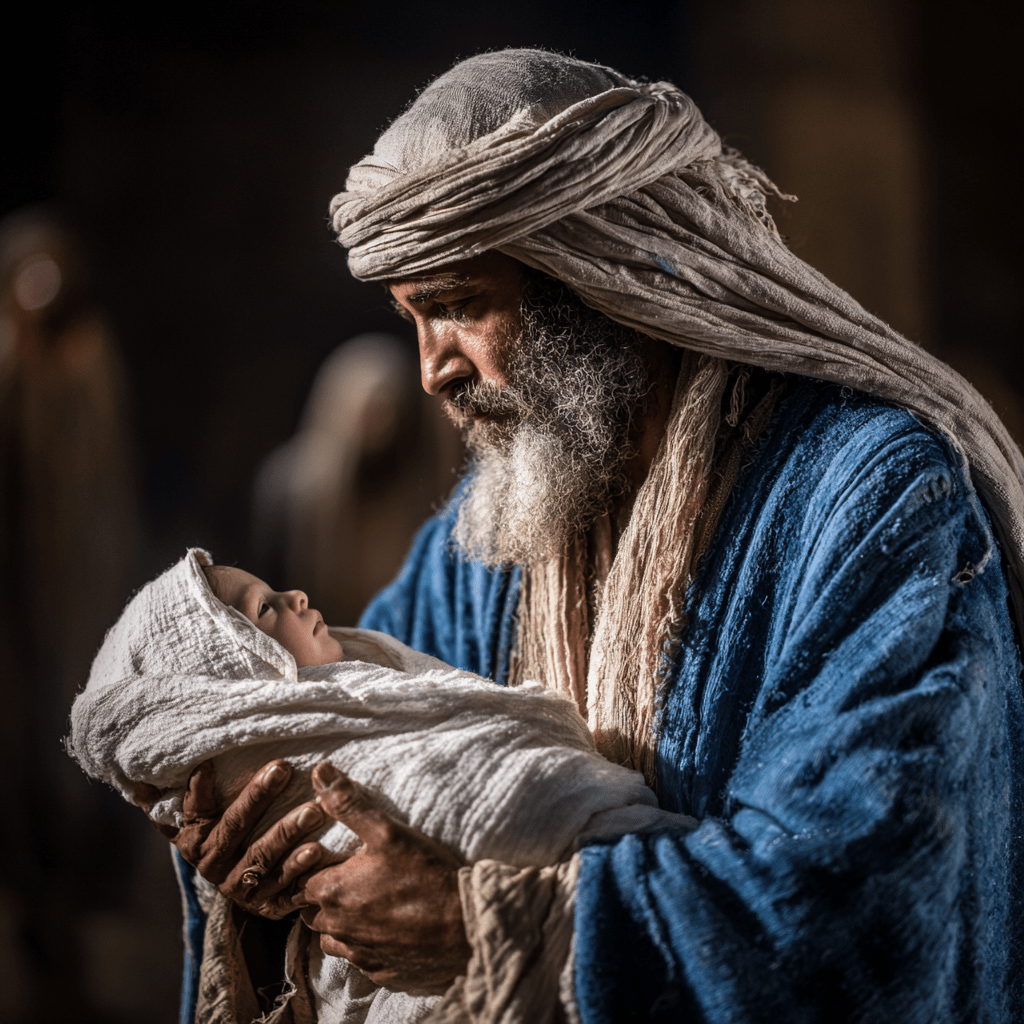
Luke tells us she “brought forth her firstborn son, and wrapped him in swaddling clothes, and laid him in a manger” (Luke 2:7). The word “laid” is deliberate. She didn’t just put Him down. She placed Him. The manger became the altar. And Mary, as mother and priest, consecrated her son to the purpose for which He came: to shed blood, to make atonement.
Why Both Mattered
The people needed the scapegoat. They needed someone to bear away what we could not carry. We needed the voice in the wilderness. John did that. He baptized in the Jordan.
But they also needed the blood offering. They needed the sacrifice that entered the Holy of Holies. They needed atonement– the blood on the mercy seat. Jesus did that. He went to the altar willingly. He shed blood that cleanses us completely. He passed through the veil and opened the way for us to follow.
Both goats were chosen by lot on the same day. Both were consecrated. Both were necessary for Israel’s atonement to be complete.
And Luke, writing with the precision of someone who knew the temple inside and out, structured his gospel to show us: this is how atonement works. This is who Jesus would become—and who John was—in the eternal pattern of the Day of Atonement.
Next in the series: The Day of Atonement leads directly into Sukkot, the Feast of Tabernacles. And when Luke shows us shepherds in the fields, living under the stars, he’s showing us the moment heaven tabernacled with earth. Subscribe to see the pattern continue.




 Feasting with Nephi
Have you ever thought about this scripture this way? Share your thoughts!