
How Nephi’s writings can help us read the Old Testament with new eyes.

I just sent my son off to the MTC–Ecuador or bust! And, it got me looking ahead at the next two years and what they’ll hold. I’m thrilled that we will be studying the Old Testament again for Come Follor Me.
I realize that might make me a bit of a weirdo. The long genealogies, detailed sacrifices, and ritual laws aren’t always a fan favorite in Sunday School. But when you learn to read them through the lens of the Book of Mormon—something beautiful happens. The text gains new meaning and ancient worship becomes personal.
That’s because the Book of Mormon illuminates the Bible.
As H. Dean Garrett wrote, “The Book of Mormon teaches the major doctrines that are taught in the Old and New Testaments. Not only does it unify the Old and New Testaments, but it also restores the plain and precious truths that have been lost from those two sacred records. The Nephite record restores knowledge of the true role of the Savior and his mission. An example of this is the practice of blood sacrifice in the Old Testament. While the Old Testament tells what they did, it does not tell why they did it. It is the Book of Mormon that adds great insights into what that practice was intended for.”¹
Understanding that Nephi wrote using the sacred feast calendar as a guide has changed the way I approach both the Book of Mormon AND the Old Testament. We don’t have to guess what sacrifices meant to the ancient faithful. We have prophets who lived it—and recorded it—in plainness and power.
The Feasts Behind the Stories
Nephi’s record mirrors the sacred structure of Israel’s holy days. What seems at first to be a linear narrative—Lehi’s departure, Nephi’s vision, a wilderness journey—actually moves according to the calendar of the ancient feasts.
The Jewish festival calendar served as a sacred cycle that reminded the people who God is, who they were, and how they were bound together. Nephi’s writings do the same. Each major section of 1 Nephi aligns with the structure, symbols, and spiritual focus of a feast.
Take, for example, the eighth day of Sukkot (the Feast of Tabernacles). This “great day of the feast” (see John 7:37) was a solemn assembly, a holy pause after seven days of celebration. It was marked by prayer, fasting, and deep reflection. In Nephi’s record, this is symbolized by the eight years in the wilderness—a season of trial, but also one of intimacy with God. Despite hunger and hardship, Nephi saw that journey as sacred: “we did travel and wade through much affliction… and so great were the blessings of the Lord upon us” (1 Nephi 17:1–2).
Because Nephi used this story to illustrate the eighth day of Sukkot, we know that during those years in the wilderness, he felt closer to God. He was carried in the palms of His hands. That long and hungry journey wasn’t just hardship—it was holy. For Nephi, it was a time of nearness, of covenant, of being led by the Lord.
Understanding this background helps us see the meaning behind the sacrifices offered in ancient Israel. What the Old Testament describes in form—the rituals and offerings—the Book of Mormon reveals in function. It shows us the why behind the worship.
Nephi’s record becomes a bridge, helping modern readers step into ancient holy time—not as outsiders, but as participants in the covenant journey.
The Book of Mormon as Interpreter
Nephi doesn’t give us a step-by-step commentary on Leviticus. He doesn’t explain the rituals or outline the offerings. He didn’t need to—those instructions were already preserved on the brass plates. What he gives us instead is something just as valuable: the experience of living those laws with a believing heart.
Nephi shows us what the rituals felt like for the righteous. What it meant to journey through sacred time, to fast with faith, to worship in covenant trust. His record isn’t focused on priestly procedure—it’s focused on relationship.
This is where the Book of Mormon becomes a gift to Bible readers.
Margaret Barker once reflected, (I’m paraphrasing here): It would be great to know what the high priest was saying as he performed the sacrifices on the Day of Atonement. While we don’t have a transcript of those prayers, Nephi gives us something close: a spiritual window into the meaning behind the actions. He weeps over sin. He rejoices in mercy. He cries out to the Lord in longing, love, and trust.
Reading Nephi helps us hear the heart behind the law.
And suddenly, Nephi’s words help us step into the sacred space that the feasts were always meant to open. His record makes it possible to see the why behind the what.
Returning to the Temple Pattern
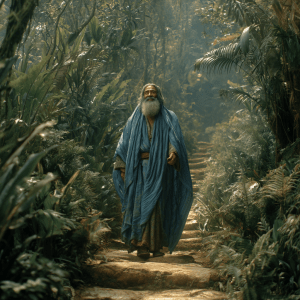
Nephi’s record uses sacred time and invites us to slow down, to walk through the narrative with intention, and to notice how every moment points back to Christ.
This is temple-centered.
As we gear up to study the Old Testament again, Nephi hands us a key to understanding ancient scripture. The feasts were designed to draw God’s people back to Him, again and again, through sacred memory and spiritual rehearsal.
And that same invitation is extended to us.
When we read the Book of Mormon alongside the Old Testament, we’re not just adding another witness—we’re recovering lost light. We’re returning to a pattern the Lord established long ago. A pattern of deliverance, renewal, and covenant love.
Nephi’s record doesn’t just add another witness of Christ—it quietly unlocks the patterns behind ancient worship, offering a bridge between ritual and relationship. As we move into another year of studying the Old Testament, the Book of Mormon invites us to see the feasts not as distant history, but as living symbols of a covenant path. Through Nephi’s words, we remember that God’s patterns are still in place—and Christ is still at the center of them all.


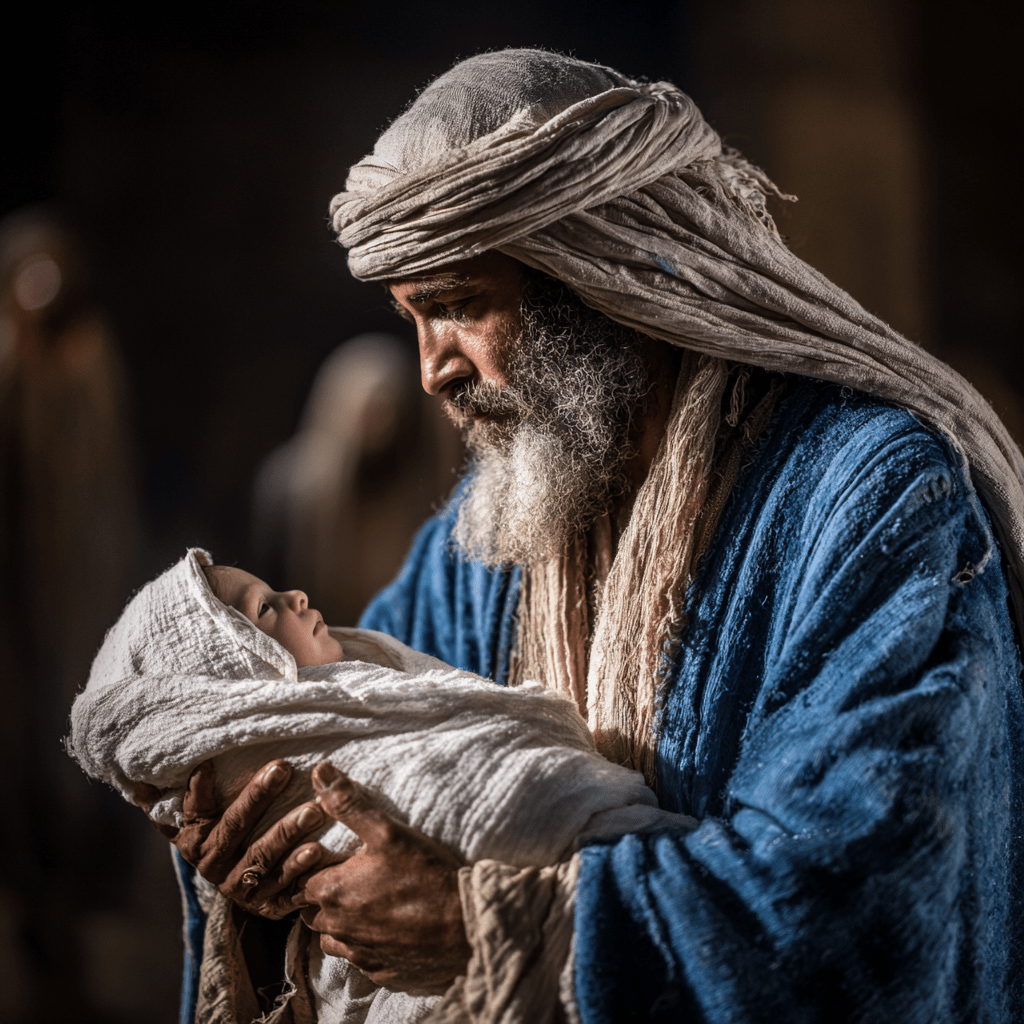


 Feasting with Nephi
Have you ever thought about this scripture this way? Share your thoughts!